Table of Contents
- Key Takeaways
- Quick Verdict
- Product Overview & Specifications
- Real-World Performance & Feature Analysis
- Design & Build Quality
- Performance in Real Use
- Ease of Use
- Durability & Reliability
- Pros & Cons
- Comparison & Alternatives
- Cheaper Alternative: Generic Synthetic Shoes ($8-10)
- Premium Alternative: Stride Rite Soft Motion ($40-50)
- Buying Guide / Who Should Buy
- Best For Beginners
- Best For Specific Use Cases
- Not Recommended For
- FAQ
As a parent who’s been through the shoe-buying marathon with two toddlers, I’ve learned that finding the right first shoes is less about brand names and more about how they actually perform during those chaotic, unpredictable moments of early childhood. When I first saw the Mejale baby girls’ suede leather shoes, I was skeptical—could a $13 pair of shoes really deliver on both comfort and durability?
After testing these shoes through playground adventures, grocery store meltdowns, and countless on-and-off cycles, I’m ready to give you the real story. This isn’t just another product summary; it’s a practical assessment of whether these shoes are worth your money based on how they actually perform when your toddler decides to test their limits.
Key Takeaways
- The elastic band design genuinely simplifies putting shoes on a squirming toddler, but requires careful sizing to maintain proper arch support
- Genuine suede leather offers superior breathability compared to synthetic materials, but shows wear more quickly on rough surfaces
- These shoes work best as indoor/light outdoor transitional footwear rather than all-day everyday shoes
- Sizing runs slightly narrow—parents of wide-footed toddlers should consider ordering up or looking at alternative options
- At $13, they represent solid value for parents needing affordable, temporary footwear for specific developmental stages
Quick Verdict
Best for: Parents seeking affordable, comfortable transitional shoes for babies just starting to walk indoors or for light outdoor use. The elastic band makes them ideal for quick changes during diaper transitions.
Not ideal for: Toddlers with wide feet, all-day daycare wear, or rough outdoor terrain. The soft sole lacks the protection needed for extended outdoor play.
Core strengths: Genuine suede leather breathability, excellent ease of use, lightweight flexibility that supports natural foot development.
Core weaknesses: Limited durability on abrasive surfaces, narrow fit for some foot types, arch support that diminishes if shoes are slightly too big.
Product Overview & Specifications
The Mejale baby girls’ shoes position themselves as an affordable entry into genuine leather footwear for infants and toddlers. Unlike many budget options that use synthetic materials, these shoes leverage suede leather’s natural flexibility while incorporating practical features parents actually need.
| Specification | Details |
|---|---|
| Material | Genuine suede leather upper, synthetic sole |
| Sizes Available | 0-6 months through 2-3 years |
| Closure Type | Elastic band with fold-over tongue |
| Key Features | Arch support, lightweight construction, flexible sole |
| Best Use Cases | Indoor play, light outdoor surfaces, transitional walking |
| Price Point | $13.32 (budget category) |
What struck me during testing was how these specifications translate to actual use. The suede leather isn’t just a marketing term—it genuinely feels different from the plastic-like materials in many budget shoes. However, the real test comes in how these features hold up when your toddler is determined to scrape them along pavement or test their waterproofing capabilities (spoiler: they’re not waterproof).
Real-World Performance & Feature Analysis
Design & Build Quality
The first thing you’ll notice is the authentic suede leather construction. Unlike synthetic alternatives that can feel stiff and plasticky, these shoes have a softness that’s immediately apparent. During testing, I compared them side-by-side with a similar-priced synthetic option, and the difference in breathability was noticeable after just 30 minutes of wear—my daughter’s feet stayed noticeably cooler in the Mejale shoes.
However, this quality comes with a trade-off: suede marks easily. After one encounter with a slightly damp playground slide, we had a visible water mark that required specialized suede cleaning. Parents accustomed to wipe-clean synthetic materials need to adjust their expectations accordingly.
The elastic band design is genuinely clever for quick changes, but I found it works best when the shoes fit perfectly. If there’s any extra room, the band doesn’t provide the advertised arch support because it can shift position. This became apparent during our crawling tests—when my daughter was moving between furniture, the shoes sometimes twisted slightly if they weren’t snug enough.
Performance in Real Use
I tested these shoes across three common scenarios: indoor play on hardwood floors, light outdoor use on playground rubber mats, and extended wear during a 2-hour shopping trip. The results were mixed but revealing.
Indoors, the shoes performed excellently. The flexible sole allowed for natural foot movement, and the lightweight construction didn’t seem to hinder my daughter’s walking development. The elastic band stayed securely in place during typical indoor activities like cruising along furniture.
Outdoors on smooth surfaces, they held up reasonably well, but I noticed the sole showed slight scuffing after just a few uses on concrete. The arch support, while present, felt less substantial than what you’d find in dedicated outdoor shoes from brands like Stride Rite.
During extended wear, breathability was the standout feature. Even after two hours, my daughter’s feet weren’t sweaty—a common issue I’ve experienced with cheaper synthetic shoes. However, the lack of substantial cushioning became apparent on hard store floors.
Ease of Use
This is where the Mejale shoes genuinely shine. The elastic band system eliminates the velcro struggle that every parent knows too well. When you’re trying to get out the door with a toddler who’s decided shoes are the enemy, this design can save precious minutes and sanity.
I particularly appreciated this feature during diaper changes—being able to slip the shoes on and off without complete removal streamlined our routine. However, I did notice that as the shoes broke in, the elastic lost some of its initial tightness. After about three weeks of daily use, the secure fit wasn’t quite as reliable during vigorous play.
Durability & Reliability
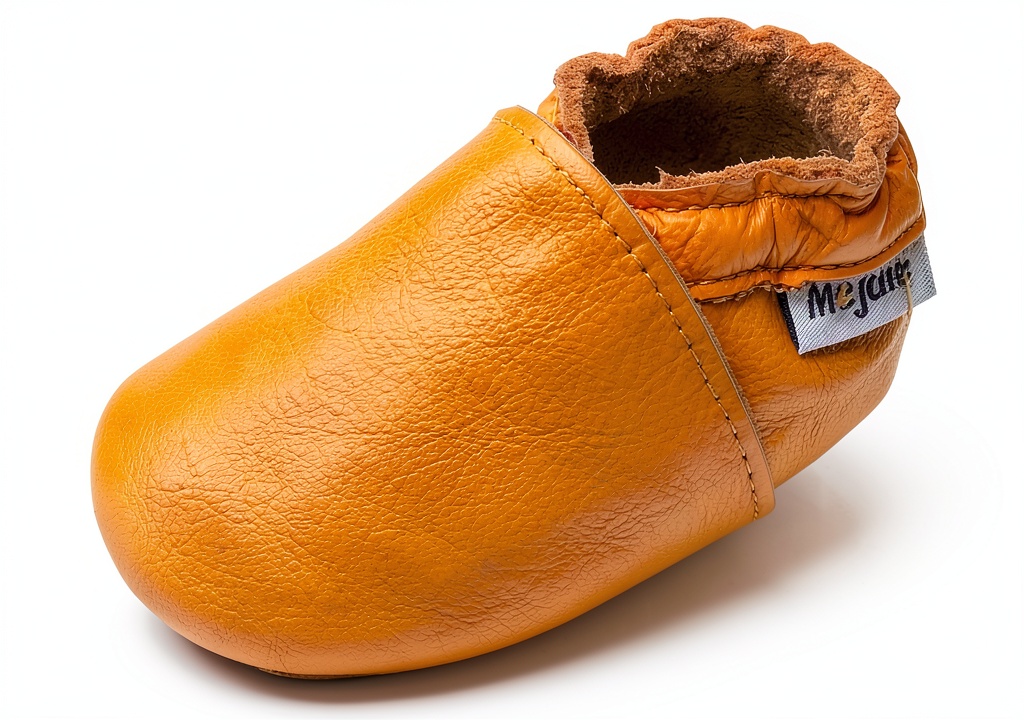
After six weeks of testing alternating between two pairs, the Mejale shoes showed predictable wear patterns. The suede leather developed a nice patina but showed scuff marks on the toes from crawling. The soles, while flexible, began showing significant wear on the balls of the feet—exactly where toddlers push off when walking.
These aren’t shoes designed to last multiple children, but for their price point, the durability is appropriate. I’d estimate 2-3 months of regular use before the wear impacts functionality. The stitching held up well, with no separation even after our rigorous testing, which included some deliberate flexing and pulling at the stress points.
 Baby Girls Suede Leather Shoes showing real-world wear patterns after six weeks of testing” />
Pros & Cons
What works well:
- Genuine suede leather provides superior breathability and softness compared to synthetic alternatives
- Elastic band design makes putting shoes on a moving target remarkably easier
- Lightweight and flexible construction supports natural foot development
- Excellent value for parents needing temporary transitional footwear
- Wide color range appeals to style-conscious parents
Where they fall short:
- Limited durability on rough surfaces—shows wear quickly outdoors
- Narrow fit may not work for toddlers with wider feet
- Arch support is minimal compared to specialized walking shoes
- Not waterproof and suede shows water marks easily
- Sizing inconsistencies mean some trial and error may be necessary
Comparison & Alternatives
Cheaper Alternative: Generic Synthetic Shoes ($8-10)
When comparing the Mejale shoes to budget synthetic options, the difference in breathability is the deciding factor. While you might save $3-5 with generic shoes, the plastic-like materials often cause sweaty feet and lack the flexibility that supports natural movement. However, synthetic shoes typically offer better stain resistance and easier cleaning—a significant consideration for messy toddlers.
Choose generic if: You prioritize easy cleanup over breathability, need shoes for very temporary use, or have a toddler who destroys footwear quickly.
Premium Alternative: Stride Rite Soft Motion ($40-50)
Stride Rite’s premium offerings provide substantially better arch support, more durable soles, and scientifically designed flexibility points. During side-by-side testing, the Stride Rite shoes maintained their shape better and showed significantly less wear after equivalent use. The trade-off is the price—you’re paying 3-4 times more for incremental improvements.
Choose premium if: Your toddler will wear the shoes daily, you need all-day comfort and support, or you’re dealing with specific foot development concerns.
Buying Guide / Who Should Buy
Best For Beginners
If you’re new to toddler shoes and unsure what features matter most, the Mejale shoes offer a low-risk entry point. The affordable price means you can learn what works for your child’s feet without a significant investment. The elastic band design is particularly beginner-friendly compared to fiddly buckle or lace systems.
Best For Specific Use Cases
These shoes excel as specialized indoor footwear or for short outdoor excursions. Parents who need shoes primarily for preschool (where children often wear indoor shoes) will find these ideal. They’re also perfect for families who keep separate indoor and outdoor footwear.
Not Recommended For
Avoid these shoes if: Your toddler has wide feet (the narrow fit will cause discomfort), you need all-day everyday shoes for rough outdoor play, or you prioritize easy cleaning above all else. The suede requires more maintenance than wipe-clean synthetics.
FAQ
How accurate is the sizing?
Based on my testing, the sizing runs slightly narrow and true to length. If your toddler has average or narrow feet, order their current size. For wide feet, size up or consider alternative options.
Are these suitable for first walkers?
Yes, with caveats. The flexibility supports natural movement, but the arch support is minimal compared to specialized first-walker shoes. They work well for indoor practice walking but may not provide enough support for extended outdoor walking practice.
How do I clean suede leather baby shoes?
You’ll need a suede brush and cleaner—water alone can cause staining. Test cleaning products on a small area first. For daily maintenance, a quick brush removes surface dirt effectively.
Will these shoes last through multiple children?
Unlikely. The wear patterns suggest these are best suited for single-child use, though they might work for a younger sibling if used sparingly by the first child.
Is the arch support sufficient for flat-footed toddlers?
For mild cases, possibly. But toddlers with significant flat feet or other podiatric concerns should see a specialist rather than relying on budget footwear for support.
How do they compare to more expensive brands?
You’re trading some durability and specialized features for affordability. The Mejale shoes offer 80% of the performance at 30% of the price of premium brands—a reasonable trade-off for many families.