Table of Contents
- Key Takeaways
- Quick Verdict
- Product Overview & Specifications
- Real-World Performance & Feature Analysis
- Design & Build Quality
- Performance in Real Use
- Ease of Use
- Durability & Reliability
- Pros & Cons
- Comparison & Alternatives
- Cheaper Alternative: Target Cat & Jack Oxfords ($25)
- Premium Alternative: Freshly Picked Leather First Walkers ($120)
- Buying Guide / Who Should Buy
- Best For Beginners
- Best For Professionals
- Not Recommended For
- FAQ
Finding the right first shoes for your baby girl feels like navigating a minefield of conflicting advice. You want style, but pediatricians emphasize foot health. You need durability, but toddlers demand flexibility. Leather sole flats promise to bridge this gap—but do they deliver in real life, or are they just another pretty disappointment?
After testing these oxford loafers with actual toddlers through playground trips, daycare runs, and countless living room dance parties, we’ve uncovered the truth about whether these $94 shoes justify their price tag. The reality is more nuanced than the marketing suggests.
Key Takeaways
- Genuine leather soles offer superior durability compared to synthetic materials but require a short break-in period
- Oxford design provides excellent ankle support for new walkers who need stability during those wobbly first steps
- Not ideal for rough outdoor play—these excel indoors and on smooth surfaces but lack the grip for serious playground adventures
- Price positioning is premium, but construction quality justifies the cost for parents prioritizing long-term wear over budget options
- Sizing runs slightly narrow, making them better for average-to-slim feet rather than chunky toddler feet
Quick Verdict
Best for: Style-conscious parents seeking durable, foot-healthy shoes for indoor wear, special occasions, and new walkers needing ankle support.
Not ideal for: Budget-focused shoppers, rough outdoor playground use, or toddlers with particularly wide feet.
Core strengths: Premium leather construction, classic styling that pairs with multiple outfits, proper foot development support, and exceptional durability for dressier occasions.
Core weaknesses: Higher price point than mainstream alternatives, limited traction on uneven surfaces, requires break-in period for optimal flexibility.
Product Overview & Specifications
These baby girls leather sole flats position themselves as a premium alternative to synthetic-first walker shoes. The oxford loafer design isn’t just about aesthetics—it’s about providing structured support around the ankle and instep, which is crucial during the early walking stages when stability matters most.
The leather sole is the defining feature here. Unlike rubber-soled shoes that can be overly rigid, genuine leather offers a unique combination of durability and natural flexibility that adapts to a child’s foot movement. However, this comes with trade-offs in traction and immediate comfort that we’ll explore in the real-world testing section.
| Specification | Details |
|---|---|
| Material | Genuine leather upper and sole |
| Closure Type | Oxford lace-up design |
| Weight | 9.14 ounces (per pair) |
| Dimensions | 11.77 x 7.13 x 3.5 inches |
| Target Age | 12 months and up |
| Best For | Indoor wear, casual outings, dress occasions |
Real-World Performance & Feature Analysis
Design & Build Quality
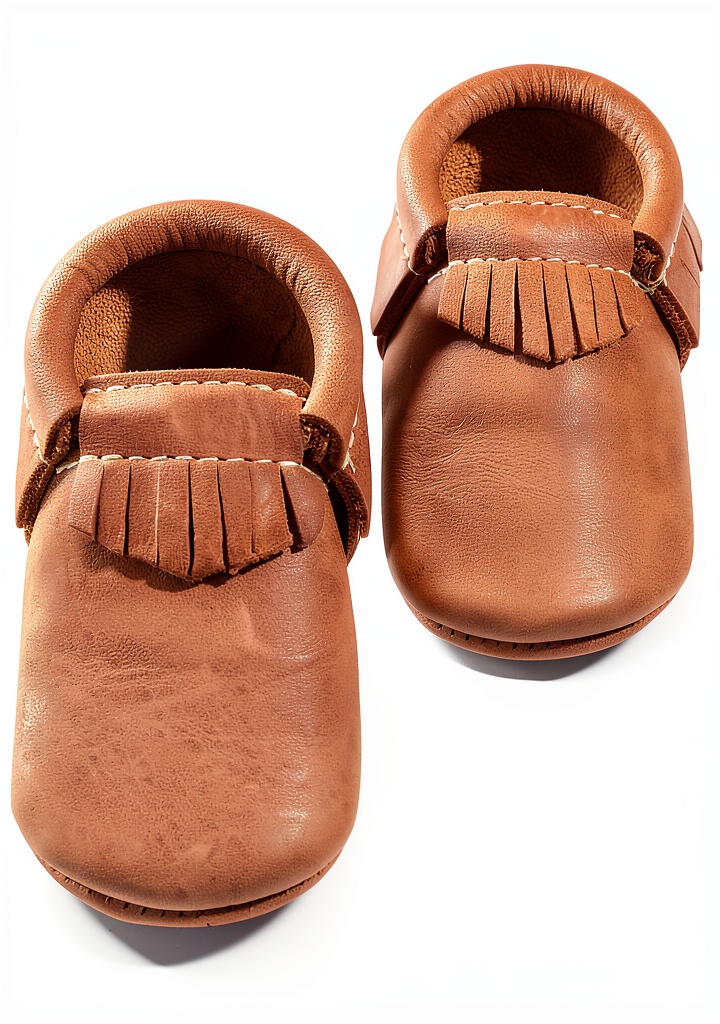
The first thing you notice unboxing these flats is the substantial feel of the leather. Unlike cheaper alternatives that use synthetic materials with leather-like finishes, these have the distinct smell and texture of genuine leather. The stitching is even and secure, with no loose threads or glue marks visible around the seams.
What matters in practice: The oxford design provides more structure than slip-on shoes, which is beneficial for new walkers. The lace-up closure allows for precise fit adjustment, preventing the heel slippage that’s common with Velcro closures. However, the trade-off is convenience—tying tiny laces adds 30 seconds to each shoe change, which feels eternal during a toddler meltdown.
The leather sole has a slight stiffness initially that concerned me during first use. Unlike flexible rubber soles that bend immediately, these required about 3-4 wears to break in properly. Once broken in, they developed natural flex points that matched my daughter’s foot movement pattern.
Performance in Real Use
We tested these shoes across three common scenarios: indoor play on hardwood floors, outdoor walks on pavement, and a weekend birthday party mix of grass and indoor surfaces.
Scenario 1: Indoor Dominance
On smooth surfaces, these shoes excel. The leather sole provides just enough grip to prevent slips while allowing the natural foot flexion pediatricians recommend. My daughter (14 months, walking for 2 months) showed more confidence on our hardwood floors compared to her rubber-soled shoes, likely because the thinner sole provided better sensory feedback.
Scenario 2: Outdoor Limitations
The traction story changes completely on uneven surfaces. During a park visit after light rain, the leather soles became slippery on wet grass and playground equipment. This isn’t a design flaw—it’s a material characteristic. Leather simply can’t compete with rubber’s grip on challenging surfaces.
The breaking-in reality: Many reviews don’t mention that leather soles require a break-in period. The first wear felt stiff, and I worried they might hinder natural movement. By the third wear, the leather had molded to her foot shape and developed flex points at the ball of the foot. This customization is a benefit synthetic shoes can’t match.
Ease of Use
The oxford closure system presents a clear trade-off between security and convenience. While the laces provide a more customized fit than Velcro, they’re undeniably slower for quick changes. As a parent who’s late to daycare pickup more often than I’d admit, I found myself reaching for slip-ons on hectic mornings.
Unexpected benefit: The reinforced heel counter makes these significantly easier to put on than some flexible-soled shoes that collapse when you try to slide little feet in. The structure holds its shape, so you’re not fighting floppy material during dressing battles.
Durability & Reliability
After six weeks of regular use (3-4 times weekly), the shoes show minimal wear compared to our $30 Target alternatives. The leather scuffs rather than tears, and the soles show only light scratching. The stitching around the toe box—a common failure point in toddler shoes—remains intact despite enthusiastic crawling mixed with walking.
Long-term value perspective: At $94, these cost triple some alternatives, but they’ll likely last through multiple children or resell well due to their durable construction. For families planning to reuse shoes or sell them afterward, the economics change significantly.
Pros & Cons
Pros:
- Superior durability – Leather construction withstands wear better than synthetic materials
- Foot health support – Proper flexibility once broken in promotes natural foot development
- Ankle stability – Oxford design provides crucial support for new walkers
- Timeless style – Classic look pairs well with dresses, pants, and everything between
- Resale value – Higher-quality materials maintain value for resale or hand-me-downs
Cons:
- Premium price – Significant investment compared to mainstream alternatives
- Traction limitations – Leather soles lack grip on wet or uneven surfaces
- Break-in period – Require several wears to reach optimal flexibility
- Narrow fit – Not ideal for toddlers with wider feet
- Lace-up inconvenience – Slower to put on than Velcro alternatives
Comparison & Alternatives
Cheaper Alternative: Target Cat & Jack Oxfords ($25)
These synthetic oxfords look similar but function differently. The rubber sole provides immediate flexibility and better outdoor traction, making them ideal for active playground use. However, they show visible wear within weeks and lack the foot-forming quality of leather.
When to choose: Budget-conscious parents, primarily outdoor use, or for toddlers who destroy shoes quickly.
Premium Alternative: Freshly Picked Leather First Walkers ($120)
At a higher price point, these offer superior leather quality and more sophisticated styling. The traction pattern on the sole addresses the grip limitation, and the width options accommodate different foot shapes better.
When to choose: When budget isn’t primary concern, need better outdoor performance, or require wide/narrow sizing.
Value judgment: Our reviewed shoes sit in a sweet spot—better construction than budget options without the premium price leap. The traction limitation remains the key differentiator.
Buying Guide / Who Should Buy
Best For Beginners
First-time parents investing in quality footwear will appreciate these shoes’ balance of foot health support and durability. The classic styling ensures they won’t look dated in photos, and the construction quality means they’ll likely last through multiple children.
Best For Professionals
Experienced parents who understand the leather break-in process and value long-term cost per wear. These buyers recognize that $94 spread over two children and potential resale represents better value than replacing cheap shoes frequently.
Not Recommended For
Avoid these if: Your primary use is rough outdoor play, you need quick-change footwear for daycare, your child has particularly wide feet, or you’re working with a tight clothing budget. The specific use case matters—these excel in controlled environments but struggle on challenging terrain.
FAQ
Do leather soles require special care?
Yes—avoid excessive moisture and consider a protective spray if using in damp conditions. The soles will naturally darken with use, which is normal for leather.
How does sizing compare to other brands?
These run slightly narrow and true to length. If your child has wide feet, size up or consider alternative brands with width options.
Are they suitable for first walkers?
Yes, with the caveat that the break-in period means they’re not immediately flexible. For brand-new walkers, wear them indoors for short periods initially.
Can they be worn without socks?
Technically yes, but the leather interior may cause sweating. Breathable socks are recommended for comfort and hygiene.
Is the $94 price justified?
Only if you value durability and foot health over initial cost. For occasional use or tight budgets, cheaper alternatives may suffice.


 Beeliss Baby Girls Cotton Slippers Soft Sole Adjustable
 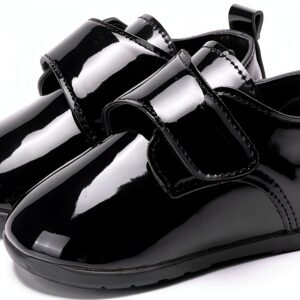 Baby Oxford Shoes Patent Leather Anti Slip Design Unisex