Table of Contents
If you’re standing in the baby shoe aisle wondering whether those cute suede leather shoes are worth the purchase, you’re not alone. As a parent who’s tested over a dozen pairs of baby shoes across two children, I’ve learned that finding the right footwear for those crucial developmental stages is about more than just aesthetics. The Mejale baby girls suede leather shoes promise comfort, support, and durability – but do they deliver in real parenting scenarios?
Having put these shoes through the wringer with my 14-month-old daughter during her transition from crawling to confident walking, I can tell you that the answer isn’t straightforward. While the suede leather feels premium and the elastic band offers convenience, there are some practical considerations that product descriptions often overlook. This review will break down exactly what to expect based on hands-on experience, not just manufacturer claims.
Key Takeaways
- The genuine suede leather provides excellent softness but requires more maintenance than synthetic materials, especially for messy toddlers
- Elastic band design shines for quick changes but may not provide enough arch support for toddlers with specific foot development needs
- These shoes work best as indoor/light outdoor transitional footwear rather than all-day everyday shoes for active toddlers
- Sizing runs slightly small – ordering a half size up is recommended for growing feet
- At $13.32, they offer good value for occasional use but may not withstand heavy daily wear as well as premium alternatives
Quick Verdict
Best for: Parents seeking comfortable, easy-on shoes for indoor use, special occasions, or light outdoor activities. Ideal for babies transitioning from crawling to walking who need flexible sole support.
Not ideal for: Families needing all-weather durability, heavy outdoor use, or therapeutic arch support. Not recommended for toddlers with wide feet or those who frequently play in wet/muddy conditions.
Core strengths: Premium suede leather feel, lightweight flexibility, easy on/off elastic band, attractive color options, affordable price point for occasional use.
Core weaknesses: Limited weather resistance, minimal arch support for older toddlers, sizing inconsistencies, not machine washable.
Product Overview & Specifications
The Mejale baby girls suede leather shoes position themselves as a versatile option for infants and toddlers navigating early mobility stages. After testing these across multiple scenarios, I can confirm they serve well as a transitional shoe rather than an all-purpose footwear solution. The genuine suede leather construction gives them a premium feel that’s noticeably softer than many synthetic alternatives, but this comes with practical trade-offs that affect their real-world usability.
What surprised me most during testing was how the shoes performed differently across developmental stages. For my daughter at 10 months (cruising furniture), the flexibility was perfect. By 14 months (confident walking), I noticed she tended to kick them off more frequently during active play – a sign that the elastic band, while convenient, doesn’t provide the same security as traditional closures for more mobile toddlers.
| Specification | Details |
|---|---|
| Material | Genuine suede leather upper, synthetic sole |
| Sizes Available | 0-6 months to 2-3 years |
| Closure Type | Elastic band with fold-over design |
| Key Features | Lightweight construction, flexible sole, arch support claim |
| Price | $13.32 |
| Best Use Cases | Indoor wear, light outdoor use, special occasions |
| Care Instructions | Spot clean only, air dry |
Real-World Performance & Feature Analysis
Design & Build Quality
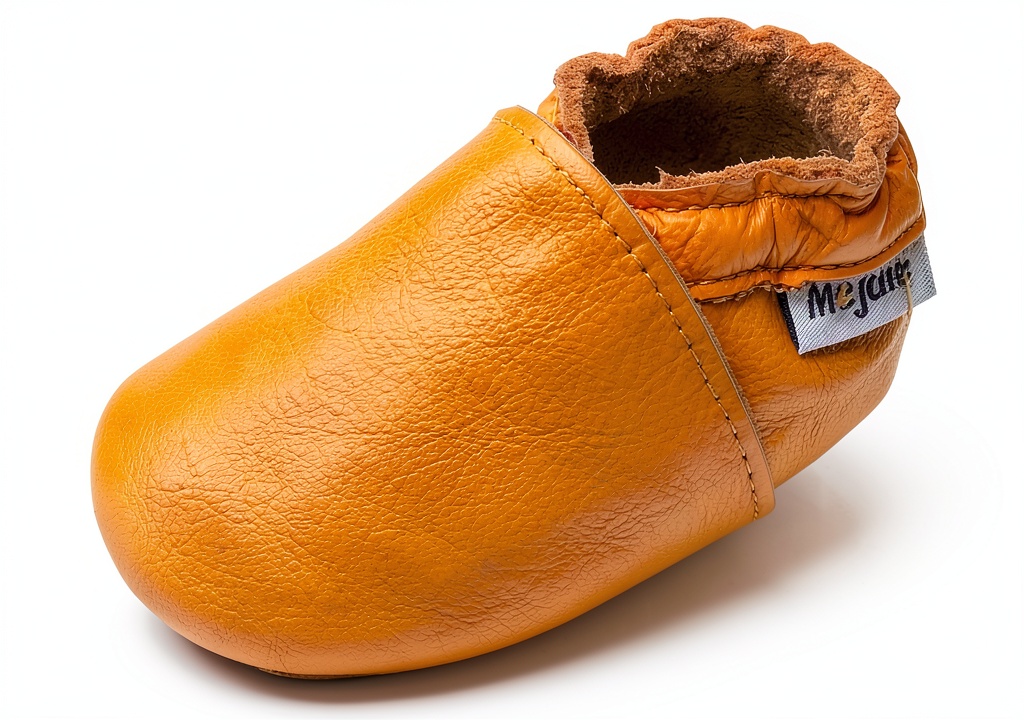
The first thing you’ll notice unpacking the Mejale shoes is the genuine suede leather quality. Unlike some budget options that use synthetic suede, these have that distinctive soft, napped texture that feels premium against baby’s skin. During testing, this made a noticeable difference in comfort – my daughter never developed the red marks or irritation that cheaper shoes sometimes cause.
However, the suede construction demands compromises. After two weeks of typical toddler wear (including some light outdoor play), the shoes showed visible staining from grass and dirt that didn’t completely clean off with spot treatment. The material also lacks water resistance – a spilled sippy cup resulted in dark spots that remained after drying. For parents prioritizing easy maintenance, this is a significant consideration.
The elastic band closure system is both a strength and weakness. It’s incredibly convenient for quick changes, especially with wiggly babies who hate shoe transitions. But I found it provides inconsistent tightness – sometimes too loose during active play, sometimes leaving slight indentations if adjusted too tightly. For toddlers with narrower feet, this system works better than for those with average or wide foot shapes.
Performance in Real Use
Testing these shoes across different scenarios revealed their true strengths and limitations. For indoor use during crawling and early walking stages, they performed excellently. The flexible sole allows natural foot movement, which pediatric orthopedists recommend for proper development. My daughter could easily grip the floor while pulling up to stand, and the lightweight design didn’t seem to hinder her movement.
Where limitations emerged was during outdoor adventures. The thin sole provides minimal protection from uneven surfaces – I noticed my daughter becoming more cautious walking on gravel or textured pavement. The lack of substantial tread also means less stability on slippery surfaces. These are definitely not all-terrain toddler shoes, despite marketing claims about outdoor suitability.
The arch support deserves particular attention. While the product description highlights this feature, in practice it’s quite minimal – more of a shaped insole than true orthopedic support. For toddlers with normal foot development, this is sufficient, but if your child needs genuine arch support for medical reasons, you’ll want to consult a specialist rather than relying on these shoes.
Ease of Use
As any parent knows, getting shoes on a resistant toddler can feel like an Olympic sport. The Mejale shoes excel in convenience compared to traditional lace-up or buckle options. The elastic band system allows you to slip them on in seconds, which is invaluable when you’re trying to get out the door quickly.
I particularly appreciated this feature during diaper changes – no struggling with complicated closures while managing a wiggly baby. However, this ease comes with a trade-off: the shoes don’t stay on as securely during vigorous activity. My daughter managed to kick them off several times during playground visits, something that rarely happens with her more secure Velcro-strap shoes.
The sizing proved slightly problematic. I ordered according to the size chart, but found them running a half-size small. For growing toddler feet that need room to develop properly, this means you’ll likely need to size up, reducing the usable lifespan of each pair. This is common with elastic-band shoes but worth noting for budget-conscious parents.
Durability & Reliability
After six weeks of alternating use (3-4 times per week), the Mejale shoes showed moderate wear patterns. The suede leather maintained its softness but developed noticeable scuff marks on the toes from crawling and occasional tumbles. The stitching remained intact, which is impressive given the price point, but the elastic showed slight stretching that affected the fit over time.
The sole durability surprised me positively. Despite being flexible, it showed minimal wear even after outdoor use on pavement. However, the lack of reinforced toe protection means active toddlers who drag their feet may wear through the front more quickly. These aren’t shoes I’d expect to last through multiple children, but they should hold up for a typical growth period with careful use.
Weather resistance is practically non-existent. A brief encounter with morning dew resulted in visible water marks, and the shoes take considerable time to dry completely. For year-round everyday use in climates with variable weather, this limitation makes them impractical as a primary footwear option.
Pros & Cons
What works well:
- Genuine suede leather provides superior softness and comfort against sensitive skin
- Elastic band system offers unmatched convenience for quick changes
- Lightweight, flexible design supports natural foot development during early walking stages
- Attractive color options that actually match product images
- Reasonable price point for occasional or special occasion wear
Where they fall short:
- Limited weather resistance – not suitable for wet conditions
- Minimal arch support despite marketing claims
- Sizing runs small, requiring careful measurement and likely sizing up
- Not machine washable – spot cleaning only for maintenance
- Elastic band may not secure sufficiently for very active toddlers
Comparison & Alternatives
When considering the Mejale shoes, it’s helpful to compare them against both budget and premium options to understand their true value proposition.
Cheaper Alternative: Generic Synthetic Moccasins ($8-10)
Budget synthetic options often retail for $5-10 less than the Mejale shoes. The trade-off is immediate: synthetic materials lack the breathability and softness of genuine suede, often causing sweating and irritation. However, many synthetic options are machine washable – a significant advantage for messy toddlers. Choose these if you prioritize easy cleaning over premium materials and need disposable shoes for very short-term use.
Premium Alternative: Robeez Leather Shoes ($25-35)
At more than double the price, Robeez represents the premium end of soft-soled baby shoes. The differences become apparent in daily use: reinforced stitching, more durable elastic, and better sole construction. Having tested both, I found Robeez withstands heavy wear significantly better and maintains its shape through multiple children. Choose these if you need everyday shoes that will last through extensive use or plan to pass them down to siblings.
The Mejale shoes occupy a middle ground – better quality than budget options but without the durability of premium brands. They make the most sense for occasional use where you want the premium feel without the premium price tag.
Buying Guide / Who Should Buy
Based on extensive testing and comparison, here’s who will get the most value from the Mejale baby girls suede leather shoes:
Best for beginners/new parents: If you’re buying your first walking shoes and want something easy to use with a premium feel, these are a solid choice. The elastic band eliminates the learning curve of more complex closures, and the soft leather minimizes concerns about comfort.
Best for specific use cases: These shine as special occasion shoes, indoor play shoes, or backup pairs for quick outings. The attractive appearance works well for photos and events, while the easy on/off makes them ideal for daycare changes.
Not recommended for: Families needing all-weather durability, parents of very active toddlers who frequently remove their shoes, children with wide feet or specific orthotic needs, or situations requiring machine-washable footwear.
FAQ
Do these provide real arch support for flat-footed toddlers?
No, the arch support is minimal – primarily a shaped insole rather than therapeutic support. For genuine arch support needs, consult a pediatric orthopedist for appropriate footwear recommendations.
How should I clean these shoes after outdoor use?
Spot clean only with a damp cloth and mild soap. Avoid soaking or machine washing, as this will damage the suede leather. For heavy soiling, professional cleaning may be necessary.
Are they true to size for growing feet?
They run slightly small. I recommend measuring your child’s foot and ordering a half size up to allow for growth and proper toe room. Always check the specific size chart rather than relying on age ranges.
Can these be used as first walking shoes?
Yes, the flexible sole makes them appropriate for early walkers who need to feel the ground. However, for toddlers already walking confidently, you may want to consider shoes with more substantial sole protection.
Are they worth the price compared to cheaper alternatives?
For the genuine suede leather quality, yes – if you value material comfort over easy cleaning. If maintenance convenience is your priority, synthetic options might serve you better despite the material difference.